Whiskey Glass Types
Whiskey glass types are shaped around different ways of serving and evaluating whiskey. Some concentrate aroma, while others prioritize ice, cocktails, or relaxed everyday use.
This guide compares six core formats by form, handling, and intended purpose, helping each glass serve a clear role rather than a decorative one.
Explore by Type
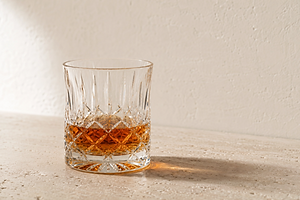
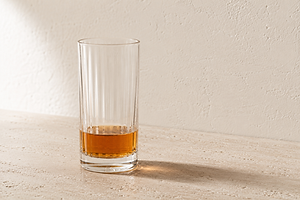.png)
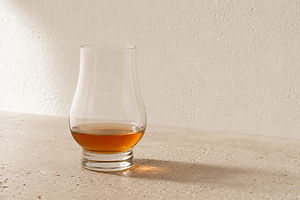
.png)

.png)
How to Choose a Whiskey Glass by Type
The right glass depends on aroma focus, ice use, handling, and how whiskey is served.
01
Aroma and Ease of Use
Glencairn and Copita glasses concentrate aroma, while Tumblers support relaxed, comfortable sipping.
03
Weight and Handling
Tumblers and double-walled glasses feel grounded. Copita and Glencairn forms are lighter and easier to swirl.
02
Ice and Dilution
Tumblers accommodate large cubes, while Highball glasses provide space for ice, mixers, and longer serves.
04
A Practical Home Setup
A Tumbler for versatility and a Glencairn or Copita for focused nosing will cover most home use.
Frequently Asked Questions
Which whiskey glass type works best for everyday use?
A Tumbler is the most practical everyday option because it supports neat pours, ice, and simple whiskey cocktails.
Why do Glencairn and Copita glasses narrow at the rim?
Their tapered openings concentrate aroma and slow how quickly it disperses, creating a more focused nosing experience.
Is a snifter suitable for whiskey tasting?
A snifter can suit slow sipping, but its large bowl may intensify alcohol vapor when warmed in the hand. It is better for rich pours than precise comparative tasting.